Noise Monitoring, Dust Monitoring & Occupational Hygiene
Protect your team with expert occupational hygiene monitoring and management.
Our noise & dust monitoring service
At Action OHS Consulting, our specialised occupational hygiene services focus on noise and dust monitoring. We partner with your organisation to support the creation of a safer environment for your most valuable assets: your people, guided by Australian standards and best practices.
We understand the importance of regular and tailored monitoring solutions in a world where industrial-level noise, dust and other hazards can seriously affect health. We’re committed to partnering closely with you to deliver methodologies that meet the specific needs of your operations.
We’re proactive towards protecting workers from hazards using science and technology fostering a Safety Excellence approach.
Our goal is to help you achieve a workplace where the health and safety risks associated with occupational hygiene (noise, dust and other hazards) are effectively managed. That’s why we recommend monitoring at a minimum of every two to five years, recognising that changes in equipment, processes, or workplace setups can alter exposure levels.
It is critical for some substances, like crystalline silica, there is a legislative requirement to monitor more regularly depending on the risk profile of the workplace
Our Noise Monitoring and Dust Monitoring services at Action OHS Consulting are tailored to your business needs and include:
- Establishing a noise monitoring and/or dust monitoring scope of work specific to your needs.
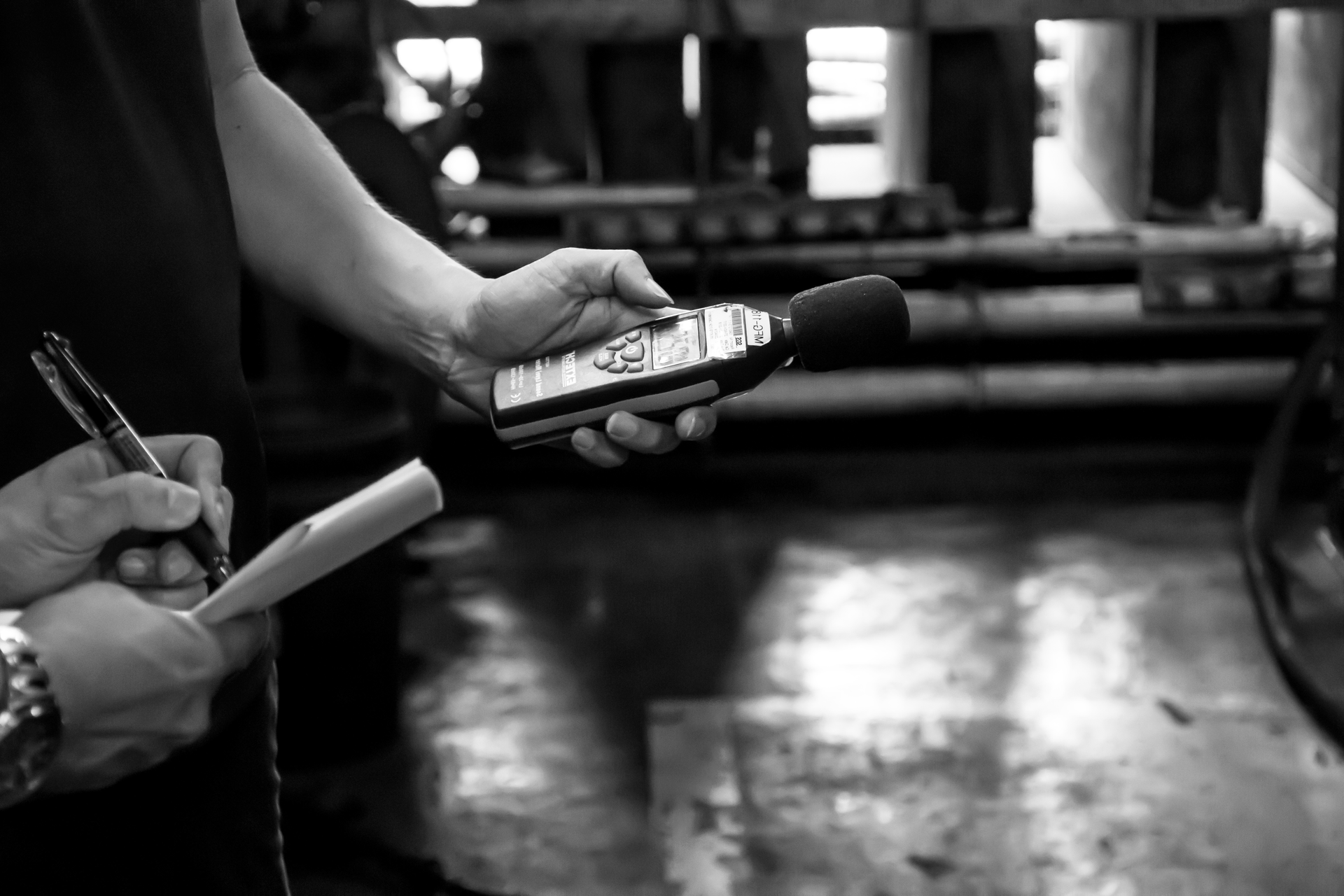
- Undertaking noise exposure monitoring (AS 1269.1:2005).
- Undertaking inhalable dust (AS 3640:2009) and respirable dust (AS 2985:2009) exposure monitoring.
- Undertaking respirable crystalline silica (RCS) or quartz exposure monitoring.
- Reviewing hearing and dust management programs.
- Establishing the requirements of personal hearing protection.
- Undertaking noise awareness training for workers and management.
Our goal is to help you achieve a workplace where the health and safety risks associated with occupational hygiene (noise, dust and other hazards) are effectively managed. That’s why we recommend monitoring at a minimum of every two to five years, recognising that changes in equipment, processes, or workplace setups can alter exposure levels.
It is critical for some substances, like crystalline silica, there is a legislative requirement to monitor more regularly depending on the risk profile of the workplace
Our Noise Monitoring and Dust Monitoring services at Action OHS Consulting are tailored to your business needs and include:
- Establishing a noise monitoring and/or dust monitoring scope of work specific to your needs.
- Undertaking noise exposure monitoring (AS 1269.1:2005).
- Undertaking inhalable dust (AS 3640:2009) and respirable dust (AS 2985:2009) exposure monitoring.
- Undertaking respirable crystalline silica (RCS) or quartz exposure monitoring.
- Reviewing hearing and dust management programs.
- Establishing the requirements of personal hearing protection.
- Undertaking noise awareness training for workers and management.
Your duty of care & compliance
State and federal legislation outlines Workplace exposure standards / Occupational Exposure Limits (OELs) / Threshold Limit Values (TLVs) for many hazardous substances, including welding fumes, inhalable and respirable dust, along with levels of hazardous noise. Employers, regardless of industry, are responsible for implementing health control management plans to address occupational hygiene.
Noise and dust monitoring exposure limits are consistent across all jurisdictions in Australia.Noise exposure limits have been adopted within the Health and Safety Legislation.
Noise Monitoring:It is legislated across all State jurisdictions in Australia that hearing protection is to be provided if:
Dust Monitoring:Safe Work Australia, in its Workplace Exposure Standards Airborne Contaminants, outlines the exposure limits.
However, the exposure limits vary depending on the dust type, source and composition.
- The eight-hour equivalent continuous A-weighted sound pressure level is not less than 85 dB(A).
- A worker’s exposure to peak noise level reaches 140 dB(C).
Work with an expert
Partner with Action OHS Consulting for a safer, more resilient, and productive workplace.
Connect with our team today. Begin your journey toward a proactive safety management culture.
Contact a Trusted Advisor

We work with industry leaders
Our clients value health and safety as much as we do.